
How to Import Footwear from India to Africa: A Complete Guide for African Importers
The footwear industry in Africa is growing rapidly as demand for affordable, durable, and fashionable shoes continues to increase across the continent. From retail stores and wholesalers to online sellers and distributors, businesses are constantly looking for reliable suppliers who can provide quality products at competitive prices. India has emerged as one of the most trusted sourcing destinations for footwear because of its strong manufacturing capabilities, wide product range, and cost-effective production.
For African importers, sourcing shoes from India offers excellent opportunities to build profitable businesses while maintaining product quality and customer satisfaction. Whether you are importing casual shoes, sandals, formal footwear, sports shoes, or slippers, understanding the import process is essential for smooth business operations.
This guide explains everything you need to know about footwear imports from India to Africa, including supplier selection, shipping, documentation, quality control, and how choosing the right export partner can help your business grow.
Why India Is a Leading Footwear Export Hub
India is one of the world’s largest footwear producers and exporters. The country has a well-established manufacturing ecosystem with skilled labor, modern production facilities, and access to quality raw materials. Indian footwear manufacturers produce a wide variety of products suitable for different African markets and customer preferences.
Some key advantages of importing footwear from India include:
- Competitive pricing for bulk orders
- Wide range of footwear styles and categories
- Strong manufacturing capacity
- Custom branding and private label options
- Flexible order quantities
- High-quality craftsmanship
- Reliable export infrastructure
Indian footwear is popular across many African countries because it combines affordability with durability. This makes it ideal for wholesalers, distributors, retailers, and entrepreneurs looking to expand their footwear businesses.
Understanding the African Footwear Market
Before starting the import process, it is important to understand the local market demand in your target country. Consumer preferences can vary significantly between regions. For example:
- Casual sandals and slippers may perform well in warmer climates.
- Formal footwear may have stronger demand in urban business districts.
- School shoes are often in constant demand throughout the year.
- Sports and lifestyle footwear are growing rapidly among younger consumers.
Successful importers study customer buying behavior, pricing trends, and seasonal demand before placing bulk orders. Conducting market research helps reduce risk and ensures that you import products that sell quickly.
Step 1: Choose the Right Footwear Supplier
Selecting the right supplier is one of the most important steps in the import process. A reliable exporter can help you avoid delays, quality issues, and communication problems.
When evaluating footwear suppliers in India, consider the following factors:
Product Quality
Request product samples before placing large orders. Check the material quality, stitching, finishing, comfort, and durability.
Manufacturing Capacity
Ensure the supplier can handle your required order volumes consistently.
Export Experience
Work with exporters who understand African markets and international shipping procedures.
Communication and Support
A professional supplier should provide clear communication, fast responses, and transparent pricing.
Customization Options
If you want to build your own footwear brand, choose a supplier that offers private labeling and packaging customization.
One company that has built a strong reputation in this sector is Afristeps – Trusted Footwear Exporter Serving Africa. The company specializes in flip flops, Hawai slippers, sliders, EVA footwear, sports shoes, canvas shoes, and PVC footwear designed specifically for African markets. Afristeps works closely with distributors and importers across Dar es Salaam, Nairobi, Kinshasa, and Khartoum, helping businesses access high-demand footwear collections with reliable export support, competitive pricing, and consistent product quality.
Step 2: Select the Right Footwear Products
The next step is choosing the right product categories for your business. Popular footwear categories imported from India to Africa include:
- Men’s casual shoes
- Women’s sandals
- School shoes
- Sports shoes
- Slippers and flip-flops
- Safety footwear
- Formal shoes
- Children’s footwear
When selecting products, focus on:
- Customer demand
- Seasonal trends
- Price range
- Product durability
- Market competition
It is often recommended to start with a smaller product range and gradually expand based on customer feedback and sales performance.
Step 3: Understand Import Regulations
Every African country has its own import regulations and customs requirements. Before shipping footwear products, importers should verify:
- Import duties and taxes
- Product labeling requirements
- Customs documentation
- Packaging standards
- Quality certifications
- Restricted or prohibited items
Working with an experienced exporter can simplify this process. Many professional exporters assist buyers with export documentation and compliance requirements.
Step 4: Arrange Shipping and Logistics
Shipping is a critical part of the footwear import business. Depending on your order volume and budget, you can choose between:
Sea Freight
Sea freight is the most cost-effective option for large bulk orders. It is commonly used by wholesalers and distributors importing containers of footwear.
Air Freight
Air freight is faster but more expensive. It is suitable for urgent shipments or smaller quantities.
Container Options
Importers usually choose between:
- Full Container Load (FCL)
- Less than Container Load (LCL)
For growing businesses, LCL shipping can help reduce initial investment costs.
Reliable logistics planning helps minimize delays and ensures timely delivery to African ports.
Step 5: Manage Payment Terms Safely
International trade requires secure payment methods to protect both buyers and suppliers. Common payment methods include:
- Telegraphic Transfer (TT)
- Letter of Credit (LC)
- Advance payment with balance before shipment
- Secure trade agreements
New importers should always verify supplier credibility before making payments.
Building long-term relationships with trusted exporters can improve payment flexibility and business reliability over time.
Common Challenges in Footwear Imports
Like any international business, importing footwear can come with challenges. Some common issues include:
Quality Inconsistency
This can occur if suppliers do not follow proper production standards.
Shipping Delays
Port congestion and logistics disruptions may impact delivery schedules.
Communication Gaps
Misunderstandings regarding product specifications can lead to incorrect shipments.
Customs Clearance Issues
Incomplete documentation may cause delays at customs.
These risks can be significantly reduced by working with experienced export partners.
Afristeps Manufacturing Excellence
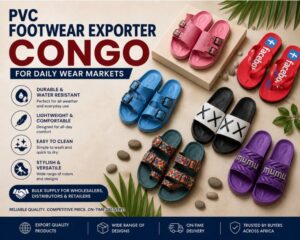
Afristeps focuses on manufacturing and exporting high-quality non-leather footwear for mass-market demand across Africa. The company combines modern manufacturing methods with efficient raw material sourcing to maintain durability, comfort, and affordability in every product category.
Using materials such as EVA, PVC, rubber, and textiles, Afristeps produces footwear designed to suit African climates and everyday consumer needs. This manufacturing approach helps distributors and wholesalers maintain strong profit margins while ensuring long-lasting product performance.
The company’s product range includes:
- Flip flops and Hawai slippers
- Sliders for men and women
- EVA clogs and lightweight comfort footwear
- Sports shoes
- Canvas shoes
- Durable PVC footwear
Afristeps continues to expand its distribution network across multiple African countries while maintaining a strong B2B wholesale focus.
Why African Businesses Prefer Indian Footwear Suppliers
Many African importers continue to source footwear from India because Indian suppliers offer a balance of affordability, quality, and flexibility.
Key reasons include:
- Access to diverse product designs
- Competitive wholesale pricing
- Ability to customize products
- Consistent manufacturing quality
- Long-term business partnership opportunities
In recent years, demand for Indian footwear products has increased across countries such as Nigeria, Kenya, South Africa, Ghana, Tanzania, Uganda, and many other growing markets.
Building a Successful Footwear Import Business
Success in the footwear import industry depends on more than just finding cheap products. Strong businesses focus on:
- Product quality
- Customer satisfaction
- Reliable supply chains
- Competitive pricing
- Brand reputation
- Consistent inventory management
Importers who invest in long-term supplier relationships often achieve better pricing, smoother logistics, and stronger market positioning.
If you are planning to Import Footwear from India, partnering with an experienced exporter can help simplify the process and reduce operational risks.
Why Choose Afristeps for Footwear Exports to Africa
Afristeps has positioned itself as a trusted export partner for African businesses looking to source quality footwear from India. The company understands the needs of African importers and works closely with distributors, wholesalers, and retailers to provide dependable export solutions.
Some advantages of working with Afristeps include:
- Specialized non-leather footwear manufacturing
- Bulk footwear solutions for distributors and wholesalers
- Competitive pricing for large export orders
- Trend-focused footwear collections for African consumers
- Reliable stock availability and consistent supply
- Private label and OEM manufacturing support
- Strong export network across Tanzania, Kenya, Congo (DRC), and Sudan
- Professional shipping coordination and responsive customer service
For businesses looking to scale their footwear operations, choosing a supplier with export experience and market knowledge can make a significant difference.
Whether you are a first-time importer or an established distributor, the right partnership helps ensure long-term growth and profitability.
Final Thoughts
The African footwear market continues to expand, creating exciting opportunities for importers and distributors. India remains one of the best sourcing destinations because of its manufacturing expertise, product variety, and export capabilities.
Understanding the import process, selecting the right products, managing logistics efficiently, and partnering with reliable suppliers are essential steps for success.
Businesses that choose dependable export partners can reduce risks, improve product quality, and strengthen customer trust.
If your business plans to Import Footwear from India, working with a professional export company like Afristeps can help you streamline sourcing, shipping, and long-term business growth across African markets.
Frequently Asked Questions (FAQs)
1. Why should African businesses import footwear from India?
India offers competitive pricing, high manufacturing capacity, diverse product options, and reliable export services, making it one of the best sourcing destinations for footwear.
2. What types of footwear are commonly imported from India to Africa?
Popular categories include sandals, slippers, sports shoes, school shoes, formal footwear, safety shoes, and casual shoes for men, women, and children.
3. What is the best shipping method for footwear imports?
Sea freight is usually the most cost-effective option for bulk orders, while air freight is suitable for urgent or smaller shipments.
4. How can I verify the quality of footwear before importing?
You should request product samples, review manufacturing standards, and work with experienced exporters who maintain strict quality control.
5. What documents are required for footwear imports?
Typical documents include the commercial invoice, packing list, bill of lading, certificate of origin, and customs clearance documents.
6. Can I customize footwear with my own brand?
Yes. Many Indian exporters offer private labeling, customized packaging, and branding services for wholesalers and distributors.
7. How do I choose a reliable footwear exporter?
Look for exporters with strong industry experience, positive client relationships, quality products, transparent communication, and export expertise in African markets.
8. Is footwear importing profitable in Africa?
Yes. The growing demand for affordable and durable footwear across Africa creates strong business opportunities for importers, wholesalers, and retailers.
9. What makes Afristeps a trusted export partner?
Afristeps focuses on quality footwear exports, reliable service, competitive pricing, and strong support for African businesses seeking long-term supply partnerships.
10. How can beginners start importing footwear from India?
Start with market research, choose a trusted supplier, order samples, understand import regulations, and begin with smaller shipments before scaling your business.
Related Posts